Cherry blossoms in Washington, D.C. used to peak reliably around the first week of April. Lately, the National Park Service has been revising its predictions earlier and earlier – in 2025, peak bloom arrived nearly two weeks ahead of the twentieth-century average. If you’ve noticed your neighbor’s daffodils popping up in February or your allergies starting before you’ve even packed away your winter coat, you’re not imagining things. Flowering plants across the globe are shifting their internal calendars, and the driving force behind it is a warming climate.
This isn’t just a quirky observation for gardeners and photographers chasing the perfect blossom shot. Flowering time – what scientists call phenology – is a finely tuned signal that plants use to coordinate with pollinators, seasonal moisture, and even competing species. When that timing shifts, the ripple effects touch agriculture, ecosystems, and public health in ways most people never think about.
Why plants are blooming earlier – and sometimes later
Most flowering plants rely on temperature cues, day length, or a combination of both to decide when to bud. Many species use what’s called “chilling requirements” – they need a certain number of cold hours in winter before they’ll respond to spring warmth. As winters grow milder, that chilling threshold gets met later, or not fully at all, which can actually delay flowering in some species while accelerating it in others that respond mainly to accumulated warmth.
Researchers at the USA National Phenology Network have been tracking “spring leaf-out” and bloom dates for over a decade using citizen-reported data. Their findings consistently show that spring events in much of the continental United States now arrive one to three weeks earlier than they did in the 1980s. In the Pacific Northwest and parts of the Southeast, the shift is even more pronounced because winters there have warmed faster than the national average.
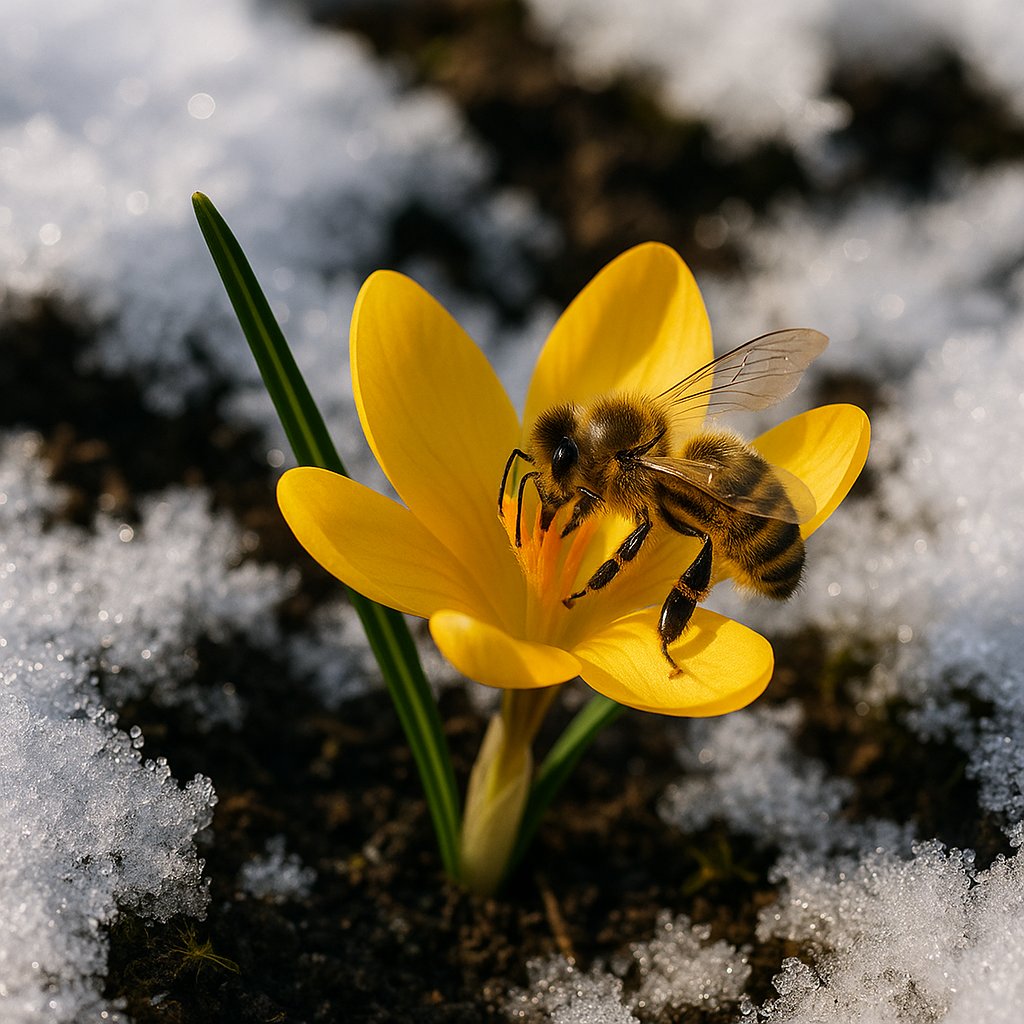
I’ve talked to backyard beekeepers in Ohio who say their hives are more active by late February now, chasing early crocuses and witch hazel that never used to bloom until March. It’s a small, local detail, but it mirrors a pattern showing up on every continent except Antarctica.
Not every plant reacts the same way
Here’s where it gets more complicated than “warmer equals earlier.” Some species are extremely sensitive to temperature and shift dramatically with even a one-degree change. Others are locked more tightly to day length, which doesn’t change with climate, so they barely budge. This creates a mismatch problem: two species that used to bloom in sync might now be weeks apart.
- Temperature-sensitive bloomers: cherry trees, forsythia, lilacs
- Day-length-dependent bloomers: many grasses, some orchids, certain asters
- Moisture-triggered bloomers: desert wildflowers in the American Southwest, which now respond to increasingly erratic rainfall rather than steady seasonal patterns
The mismatch problem: pollinators left behind
Flowers and their pollinators evolved together over thousands of years, and that relationship depends on timing. Bees, butterflies, and hummingbirds emerge or migrate based largely on temperature and light cues of their own, but those cues don’t always track flowering shifts at the same rate.
Consider the classic example studied in the Rocky Mountains: glacier lilies now bloom earlier in response to earlier snowmelt, but some bumblebee species haven’t adjusted their emergence timing as quickly. The result is a shorter window of overlap, meaning less pollination success and, over time, potential declines in both plant reproduction and pollinator food supply.
This kind of phenological mismatch has been documented in migratory hummingbirds too. Ruby-throated hummingbirds arriving in the eastern U.S. after their journey from Central America sometimes find that peak nectar-producing flowers have already passed their bloom, leaving less food available exactly when the birds need it most for breeding.
What this means for farmers, gardeners, and everyday allergy sufferers
Shifting bloom times aren’t just an ecological curiosity – they have direct, practical consequences.
Agriculture feels it first
Fruit trees that bloom too early face a brutal risk: a late frost can wipe out an entire season’s crop. This happened to Georgia’s peach industry in 2017 and again, more severely, in 2023, when warm February temperatures triggered early blooming followed by a hard freeze that destroyed the majority of the state’s harvest. Vineyards in California and apple orchards in the Northeast face similar risks as bloom windows creep earlier into a period still prone to cold snaps.
Allergy seasons are stretching out
Pollen season in North America now starts about 20 days earlier and produces roughly 21% more pollen than it did in 1990, according to research published in the Proceedings of the National Academy of Sciences. That’s not a small shift – it means longer exposure windows for people with seasonal allergies and asthma, and it’s part of why allergy sufferers report symptoms lasting well into what used to be considered off-season months.
Gardeners are adapting on the fly
Home gardeners in USDA hardiness zones that have shifted north over the past two decades are rethinking planting calendars entirely. Many now delay pruning, adjust fertilizing schedules, and choose more climate-resilient cultivars specifically bred to tolerate irregular chill periods.
A quick comparison: how different regions are experiencing the shift
| Region | Typical bloom shift since 1990 | Main driver |
|---|---|---|
| Northeast U.S. | 7–14 days earlier | Warmer winters, earlier snowmelt |
| Pacific Northwest | 10–21 days earlier | Reduced winter chilling |
| Southwest deserts | Highly variable, tied to rainfall | Erratic precipitation patterns |
| Southeast | 5–15 days earlier | Warmer late-winter temperatures |
What can actually be done about it
No single action reverses a global pattern like this, but there are meaningful, evidence-based steps individuals and communities are taking:
- Planting a diversity of native species with staggered bloom times to support pollinators through a longer season
- Reporting bloom and leaf-out observations to citizen science projects, which helps researchers build better predictive models
- Choosing frost-tolerant or later-blooming cultivars for orchards and gardens in frost-prone regions
- Supporting local pollinator habitat corridors, which give bees and butterflies more flexible food sources when timing gets out of sync
Where this leaves us
Flowering seasons are one of the most visible, tangible signs that climate patterns are changing – you don’t need a satellite or a lab to notice it, just a window and a bit of attention over a few years. What’s happening isn’t uniform or simple; some plants race ahead, others lag, and the mismatches created in between ripple through pollinator populations, food systems, and even our own health. Paying attention to these shifts, whether through your own garden or community phenology projects, offers a genuinely useful window into how ecosystems are responding in real time. If this topic caught your interest, digging into regional phenology network data is a great next step for anyone who wants to see the patterns unfolding closer to home.