A few summers ago, a neighbor of mine put a folding table at the end of her driveway with six jars of zinnias and a coffee can for cash. By noon she had sold out. By August she had a waiting list. She never planned to start a business. She simply had more flowers than vases. That is how many small flower businesses begin, and with a bit of planning, the same thing can work in your yard.
Here is a practical look at how to turn a backyard garden into a small, steady flower business, from choosing what to grow to getting paid.
Start smaller than you think you should
The biggest mistake I see is over-planting in year one. Many beginners dig up half the lawn, buy 40 varieties and then drown in work by July. A better first step is a plot of about 10 by 20 feet, or a handful of raised beds. Well-managed, that is enough to fill a few dozen bunches a week at peak season.
Before you plant anything, spend an evening with these basics:
- Sun: Most cut flowers want at least six to eight hours of direct light.
- Water access: If you have to haul hoses across the yard, you will eventually stop. Plan for drip lines or soaker hoses.
- Soil: A basic soil test through your state’s cooperative extension office is inexpensive and tells you what to fix before planting.
- Your USDA hardiness zone and last frost date: These decide when you can seed, transplant and harvest.
Which flowers actually earn their space?
Not every pretty flower makes a good cut flower. You want plants that produce many stems, last at least five to seven days in a vase and forgive beginner mistakes. Growers often call these “cut-and-come-again” flowers: the more you pick, the more they bloom.
| Flower | Why it works | Difficulty |
|---|---|---|
| Zinnias | Fast, heavy producers, and a huge color range | Easy |
| Cosmos | Airy filler, great for mixed bunches | Easy |
| Sunflowers (pollen-free types) | Cheerful, with strong market appeal | Easy |
| Snapdragons | Tall spikes that add structure | Moderate |
| Dahlias | Premium price per stem, but tubers need care | Moderate |
| Ranunculus | Spring favorite for weddings, but fussy about temperature | Harder |
Mix in some foliage and fillers such as eucalyptus, bells of Ireland or ornamental grasses. Buyers love ready-made bouquets, and greenery is often what makes a bunch look professional.
Plant in waves, not all at once
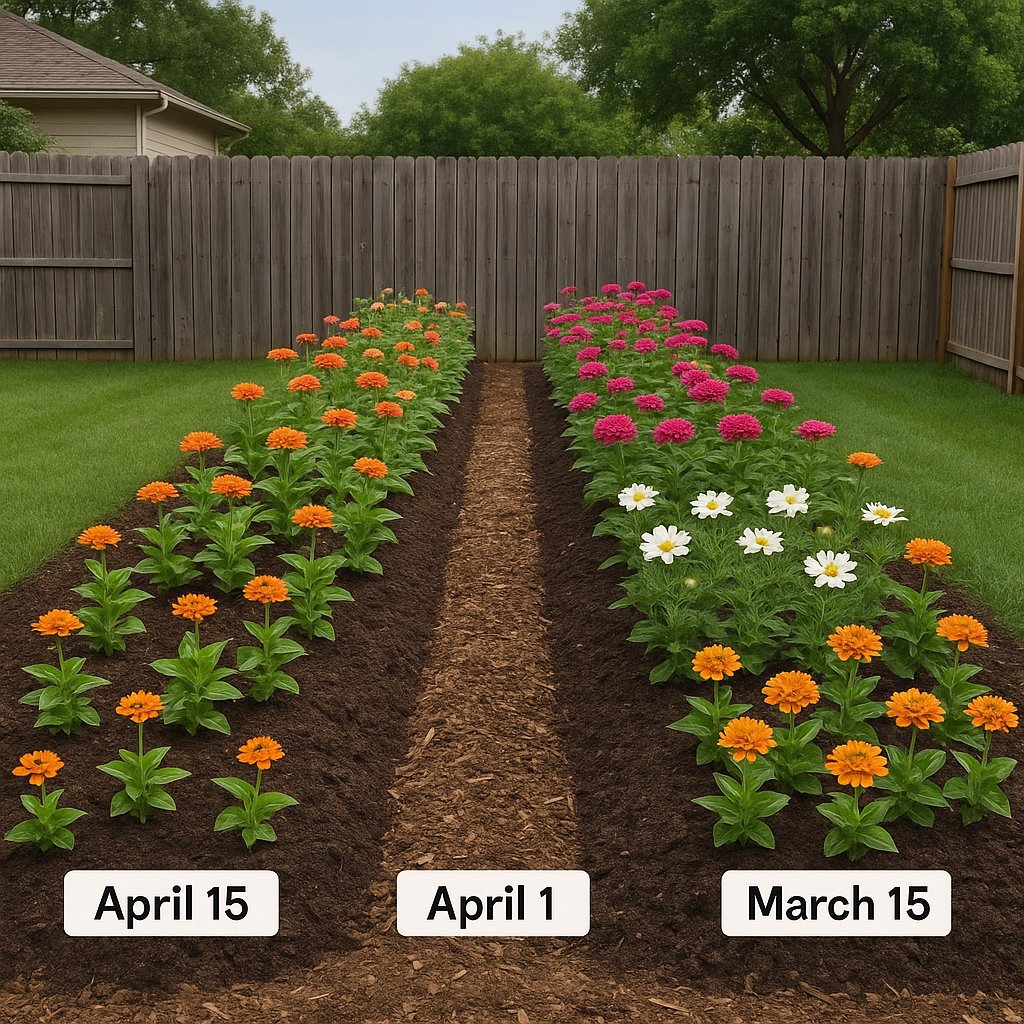
Succession planting is the quiet secret of working flower farms. Instead of sowing all your zinnias on one day, sow a new batch every two to three weeks until midsummer. That way you are not stuck with a huge flush of blooms one week and nothing the next. Customers, especially regular subscribers, want reliability more than variety.
Harvesting and handling: where quality is won or lost
Fresh flowers are perishable, and your reputation depends on how long they last after the sale. A few habits make a big difference:
- Harvest early in the morning or in the evening, when stems are full of water.
- Carry a bucket of clean water into the garden and place stems in it right after cutting.
- Strip leaves that would sit below the waterline, since they rot and breed bacteria.
- Condition the flowers by letting them drink in a cool, shaded spot for a few hours before arranging or selling.
- Scrub buckets with soap and a little diluted bleach between uses.
Each flower has its own ideal harvest stage. Snapdragons are best when the lower third of the spike is open. Zinnias should be cut when the stem is stiff, not bendy at the neck. This is called the “wiggle test,” and it saves you from selling flowers that droop by day two.
Where to sell your first bunches
You do not need a storefront. Most home-based growers start with one or two of these channels:
- Farmers markets: Good for testing prices and getting feedback. Expect booth fees and an early start.
- Weekly bouquet subscriptions: Neighbors sign up for a set number of weeks, and you get predictable income.
- Porch or roadside stands: Low overhead, and an honor box works surprisingly well in many communities.
- Local florists, cafes and boutiques: A small standing order of specialty stems can be steady, though you will need to match their price expectations.
- Events: Weddings and showers pay well but require careful planning, backup stems and a lot of time. I would wait until your second season.
Social media helps more than most people expect. A simple weekly post showing what is blooming, with pickup details, can fill a small business all by itself.
The unglamorous part: rules, insurance and pricing
Rules vary by state and city, so check locally before you sell. In many places you will need to consider:
- A business license or registration, sometimes also a “doing business as” name
- A sales tax permit, since some states tax flowers and some do not
- Local zoning or home-occupation rules, especially for roadside stands
- Market vendor requirements, which often include proof of liability insurance
Your county extension office and the Small Business Administration are good, free starting points. Many growers also open a separate bank account from day one, which makes tax time far easier.
On pricing, do not guess. Add up seed, tubers, soil amendments, buckets, packaging and market fees. Then estimate your time, even if you pay yourself nothing at first. Check what local grocery stores and florists charge, and price a market bouquet in a similar range or a bit higher for fresh, local flowers. In many U.S. markets, a mixed hand-tied bunch commonly sells in the $10–$25 range, though your area may differ.
Keep notes, and expect to learn the hard way
Keep a simple notebook or spreadsheet. Record sowing dates, varieties, what sold out and what came home unsold. After one season, you will know which flowers earn their keep. I have seen growers drop a favorite variety because it took too much work for too little return, and add more of a humble cosmos that practically sold itself.
You will lose a few crops to heat, deer, powdery mildew or a surprise frost. That is part of farming, even on a small scale. Growing a wide mix of flowers keeps one failure from sinking your whole season.
Your next step this week
Starting a flower business from your garden is less about big investment and more about steady habits. Pick a sunny patch, choose five or six reliable flowers, plant in waves, handle your stems carefully and sell to a handful of people who will tell you honestly what they think. Start there this season, and let the garden show you how big it wants to grow.